
Rhetorical Devices: Antimetabole
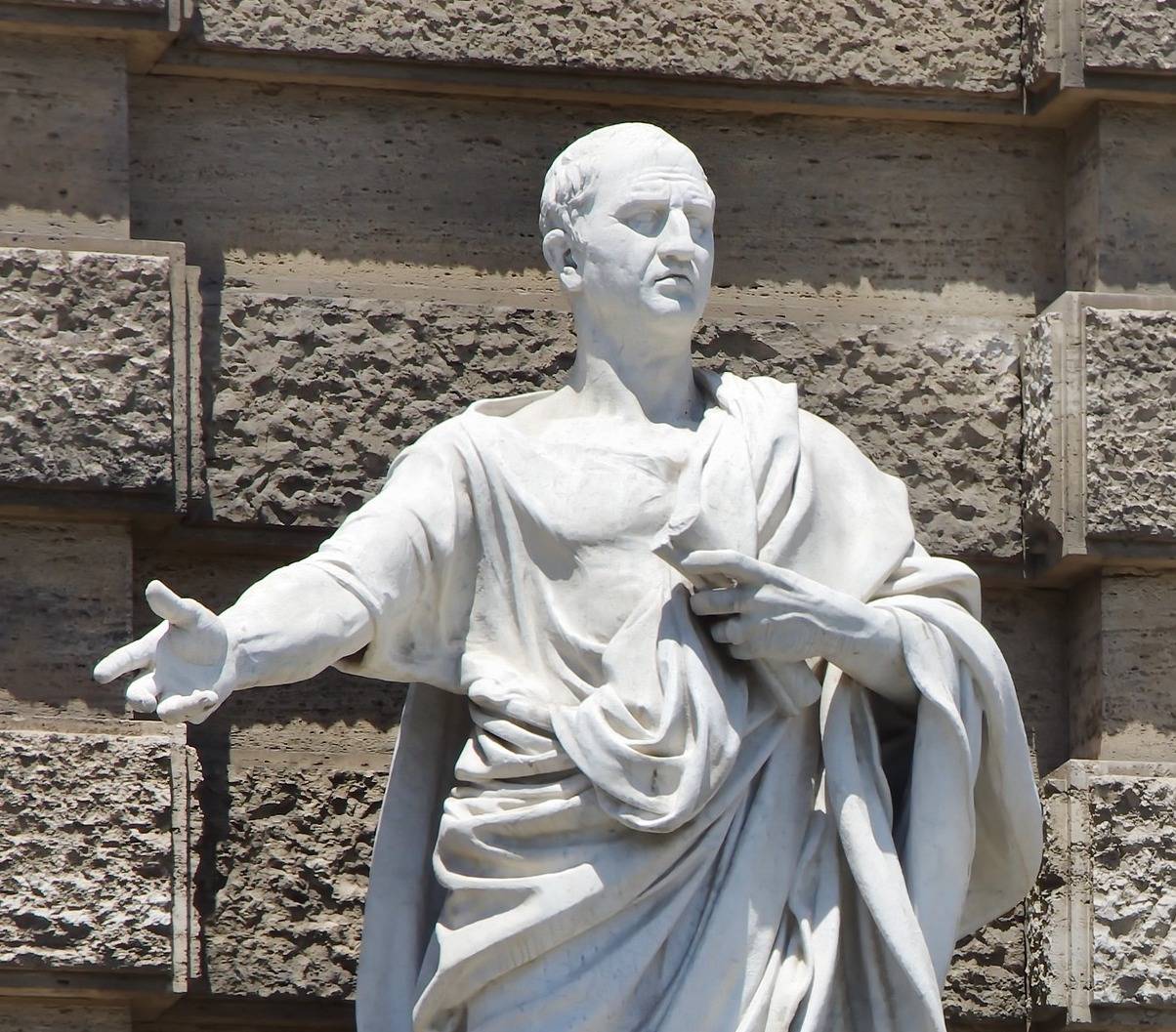
This post is part of a series on rhetoric and rhetorical devices. For other posts in the series, please click this link. For a comprehensive, step-by-step overview of how to write a speech outline, please see this post. Device: Antimetabole Origin: From the Greek meaning “to turn about in the opposite direction”. In plain English: […]
Quotes for Public Speakers (No. 90) – William Penn
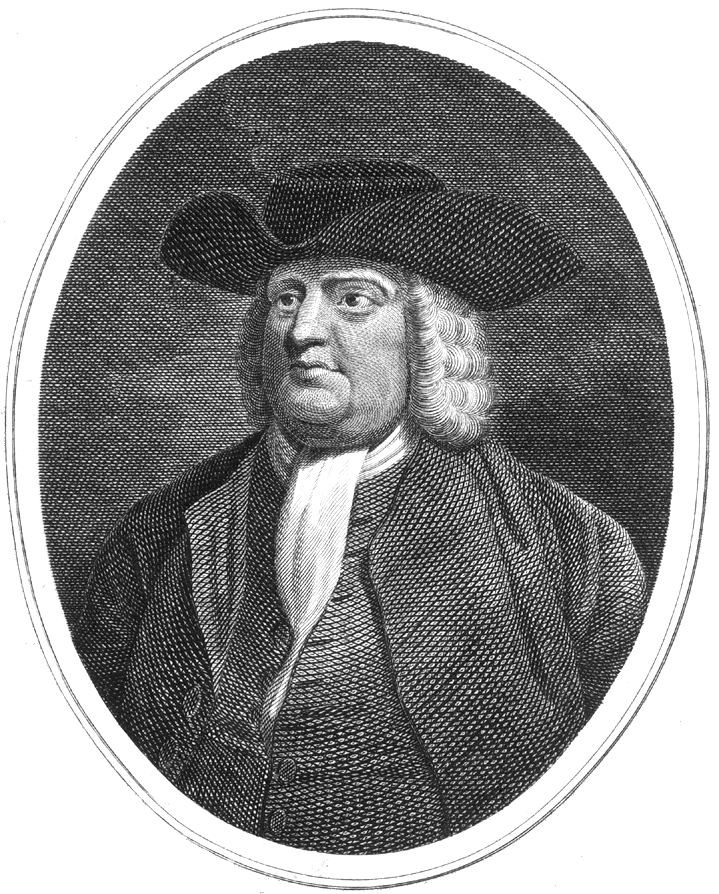
“Speak properly, and is as few words as you can, but always plainly; for the end of speech is not ostentation, but to be understood.” William Penn
Rhetorical Devices: Epizeuxis
This post is part of a series on rhetorical devices. For other posts in the series, please click this link. For a comprehensive, step-by-step overview of how to write a speech outline, please see this post. Device: Epizeuxis Origin: From the Greek ἐπιζευγνυμή (epizeugnumi), meaning “to join together” or “to fasten together”. In plain English: Repetition […]
Rhetorical Devices: Epistrophe
This post is part of a series on rhetorical devices. For other posts in the series, please click this link. For a comprehensive, step-by-step overview of how to write a speech outline, please see this post. Device: Epistrophe (also known as Epiphora) Origin: From the Greek ἐπιστροφή (epistrofi), meaning “turning about” or “upon turning”. In plain […]
Rhetorical Devices: Anaphora
This post is part of a series on rhetorical devices. For other posts in the series, please click this link. For a comprehensive, step-by-step overview of how to write a speech outline, please see this post. Device: Anaphora Origin: From the Greek ἀναφορά (anafora), meaning “to bring back” or “to carry back”. In plain English: […]
Rhetorical Devices: Introduction
Rhetoric is the art of using language with persuasive effect. Aristotle wrote the classic book on the subject, On Rhetoric, in the 4th century BC. For centuries, the study of rhetoric—the ability to speak in public and to move audiences with logic, emotion and credibility—was an important component of many educational systems. Many of the rhetorical devices […]
Analysis of a Speech by Bruce Aylward
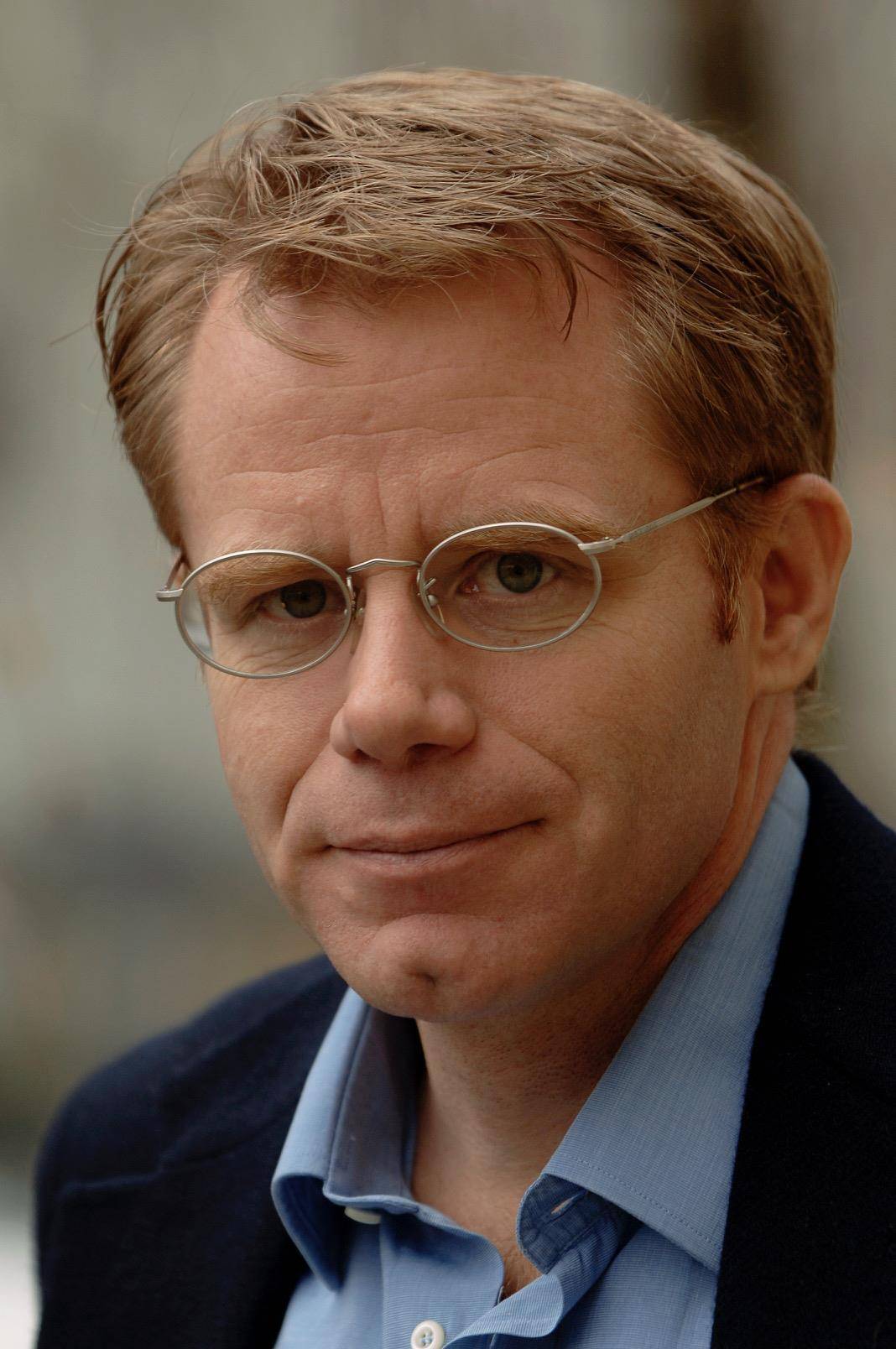
Bruce Aylward is a fellow Canadian and one of my former colleagues from the World Health Organization in Geneva, Switzerland. Bruce is a physician and epidemiologist who led the polio eradication programme at the WHO. He is currently the Senior Advisor on Organizational Change to the Director-General. I am proud to know Bruce and many of the people in the […]
Tagged Bill GatesBruce AylwardPoliopublic speakingspeech analysisTEDWHOWorld Health Organization