Public Speaking: Taking That First Step

This summer, my family and I returned to Canada for a vacation. While we were in Toronto, I followed the debate that was raging (and which continues to rage as of the date of this post) about closing public libraries to reduce municipal government costs. Toronto City Hall Public hearings were held to discuss the […]
World Championship of Public Speaking, 2011

The 2011 World Championship of Public Speaking, hosted by Toastmasters International in Las Vegas, Nevada, is now history. Congratulations to all contestants, especially Jock Elliott (1st Place), Kwong Yue Yang (2nd Place) and Scott Pritchard (3rd Place). I must, however, say a special word about my friend, Olivia Schofield, who also participated in finals. She […]
Quotes for Public Speakers (No. 96) – Cicero
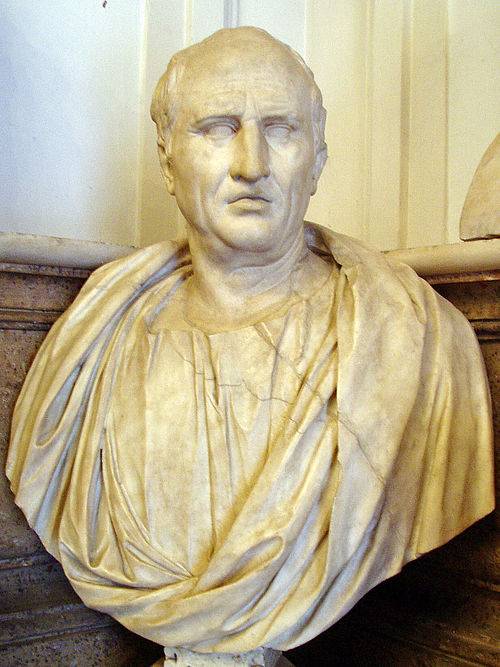
“I can think of nothing more agreeable to the brain and the ear than a speech adorned and embellished with wise thoughts and fine language.” Cicero Photo courtesy of Glauco92
Rhetorical Devices: Paralipsis

This post is part of a series on rhetorical devices. For other posts in the series, please click this link. For a comprehensive, step-by-step overview of how to write a speech outline, please see this post. Device: Paralipsis Origin: From the Greek παράλειψις (paraleipsis), meaning “omission”. In plain English: To call attention to something by specifically […]
Collection of Speech Analyses

Reading speech analyses is a powerful way to improve our public speaking. Without question, the best way to become a better speaker is to speak. We learn by doing, making mistakes, reflecting, refining and doing again. However, there are other ways that we can improve our skills at the craft. One way is to analyze […]
Quotes for Public Speakers (No. 94) – Robin Sharma
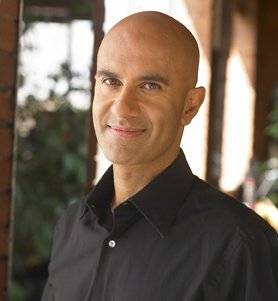
“In topsy-turvy times, there’s a natural tendency to hold back on candor, speak in vague generalities that mean nothing but preserve the status quo, and essentially talk in a way designed to protect your turf. But the problem with communication like that is that it breeds mistrust. The people around you would rather hear the […]
A Public Speaker's Checklist – Free PDF File
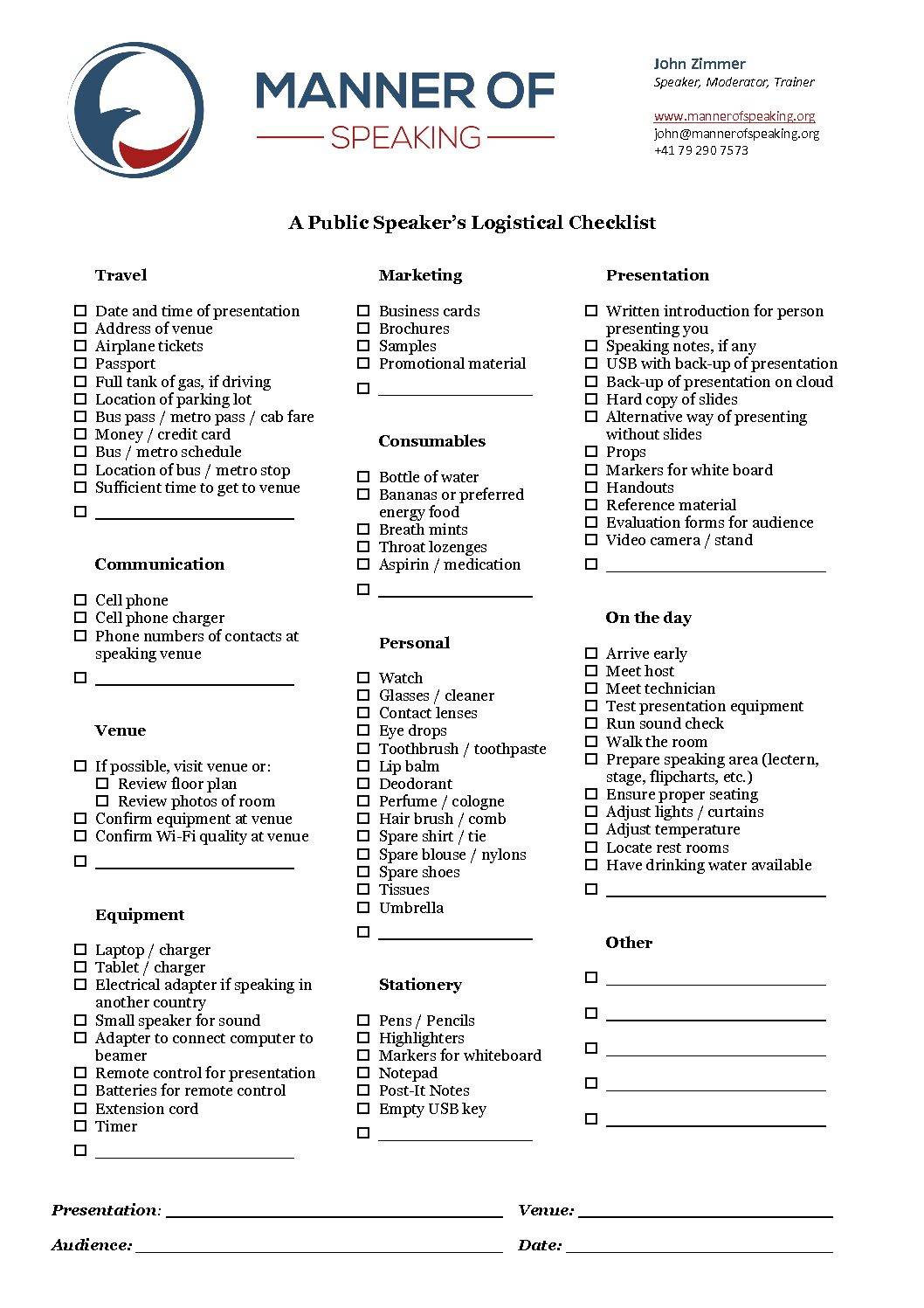
I am happy to provide you with a comprehensive public speaker’s checklist for logistical matters. Last year I wrote a post about logistical items that speakers should remember for a speaking engagement. Reader response was so good that I created an addendum. To put these ideas into a more practical format for you, I have […]
Sound Advice from George Orwell
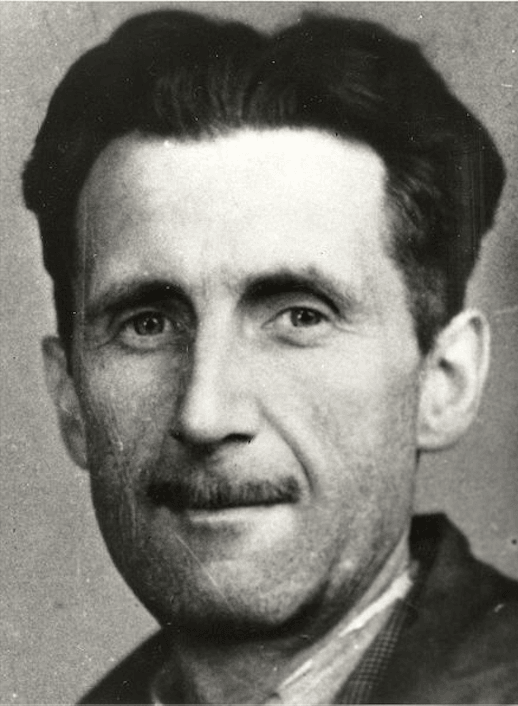
Seth Godin recently wrote a post on good writing habits. He says that the reason business writing is so bad is that people are either afraid to say what they mean, because they might be criticized, or afraid to be misunderstood and thus criticized. I believe that the same can be said of bad speaking habits. In […]
Happy Anniversary, TED!

Happy Anniversary, TED! Exactly five years ago today, on 27 June 2006, TED made its talks available for free to the world. Since then, TED has posted some pretty amazing on-line statistics: 975 TED Talks on the Internet; 20,000 translations; 500 million video views. But while the statistics are impressive, they should not be surprising. […]
Tagged Chris Andersonpublic speakingTED