

Nothing Like a Pint of Guinness!

I enjoy a pint of Guinness from time to time. So, in honour of the delicious beer from Ireland, something on the light side today. A few days ago, I published a post analyzing Conan O’Brien’s terrific commencement address at Dartmouth College. Today I came across a clip from Conan’s TV show in which he […]
Quotes for Public Speakers (No. 92) – Prince Philip

“The mind cannot absorb what the backside cannot endure.” Prince Philip Photo courtesy of Allan Warren
Analysis of a Speech by Conan O'Brien

On 12 June 2011, Conan O’Brien delivered the commencement address to the 2011 graduating class of Dartmouth College. In cold, windy weather, he took the stage and wowed a crowd of thousands 24 minutes. Conan’s jokes, one-liners and funny anecdotes elicited a steady stream of laughter and applause. But then the direction of the speech changed, and […]
Quotes for Public Speakers (No. 91) – Pablo Picasso
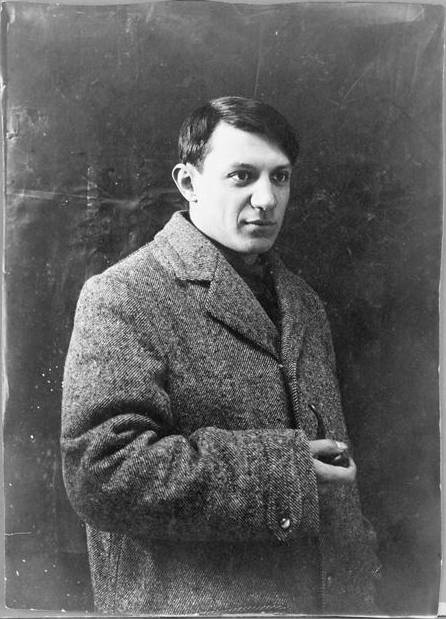
“Art is the elimination of the unnecessary.” Pablo Picasso
Rhetorical Devices: Polysyndeton
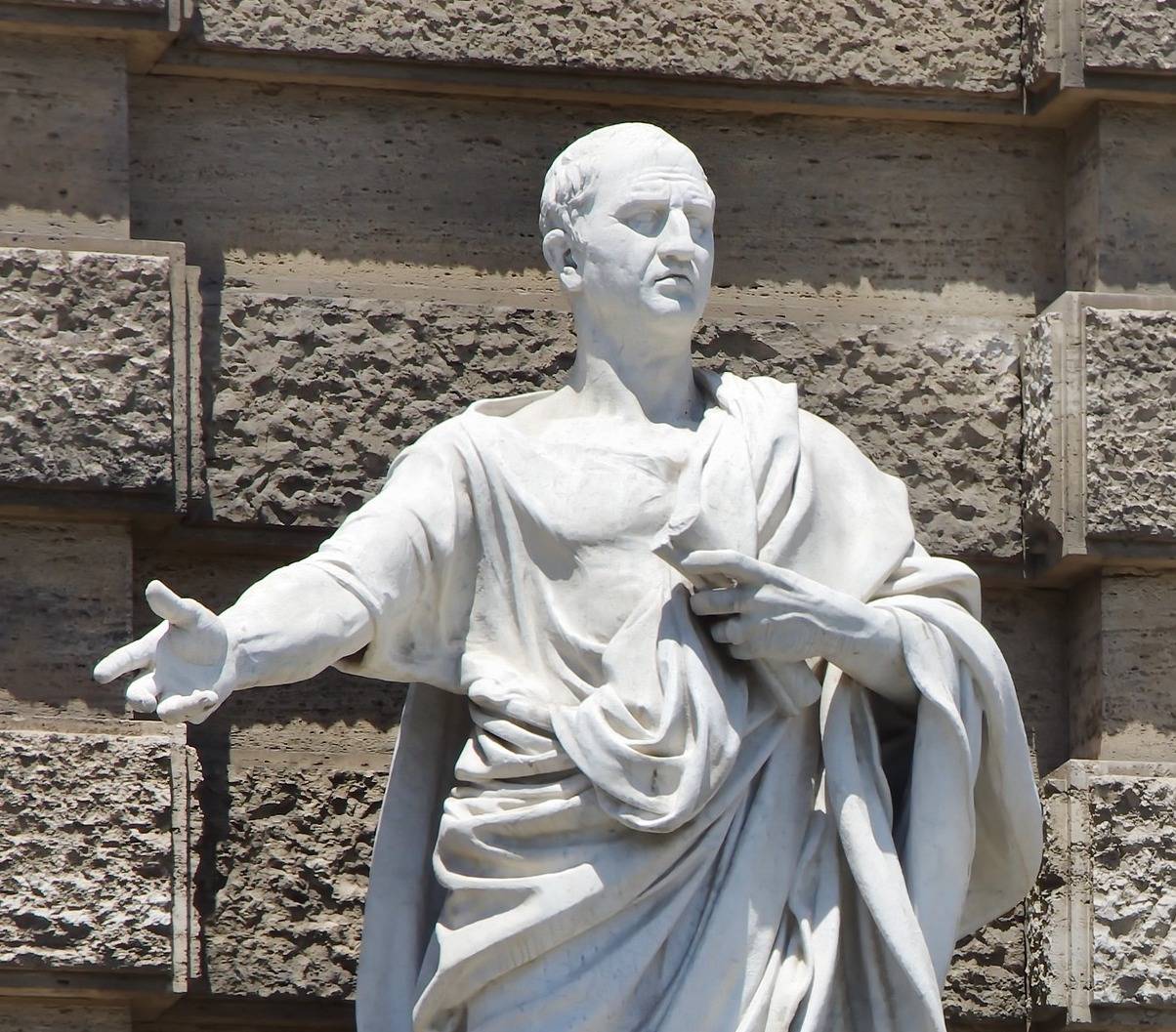
This post is part of a series on rhetorical devices. For other posts in the series, please click this link. For a comprehensive, step-by-step overview of how to write a speech outline, please see this post. Device: Polysyndeton Origin: From the Greek πολυσύνδετος (polysyndetos), meaning “bound together”. In plain English: The repetition of conjunctions such as […]
Rhetorical Devices: Antimetabole
This post is part of a series on rhetoric and rhetorical devices. For other posts in the series, please click this link. For a comprehensive, step-by-step overview of how to write a speech outline, please see this post. Device: Antimetabole Origin: From the Greek meaning “to turn about in the opposite direction”. In plain English: […]
Quotes for Public Speakers (No. 90) – William Penn

“Speak properly, and is as few words as you can, but always plainly; for the end of speech is not ostentation, but to be understood.” William Penn
Rhetorical Devices: Epizeuxis
This post is part of a series on rhetorical devices. For other posts in the series, please click this link. For a comprehensive, step-by-step overview of how to write a speech outline, please see this post. Device: Epizeuxis Origin: From the Greek ἐπιζευγνυμή (epizeugnumi), meaning “to join together” or “to fasten together”. In plain English: Repetition […]
Rhetorical Devices: Introduction
Rhetoric is the art of using language with persuasive effect. Aristotle wrote the classic book on the subject, On Rhetoric, in the 4th century BC. For centuries, the study of rhetoric—the ability to speak in public and to move audiences with logic, emotion and credibility—was an important component of many educational systems. Many of the rhetorical devices […]
Tagged AristotleCommunicationcredibilityEmotionLogicOn Rhetoricpersuasionpublic speakingrhetoricRhetorical device